Weed and epilepsy: evidence, risks and UK rules
People living with epilepsy often seek ways to reduce the frequency of seizures, especially when standard medications aren’t entirely effective. Amid discussions on social media and rare stories of improvement, interest in cannabis inevitably arises. Therefore, it’s important to understand how medical cannabis for epilepsy differs from regular use, whether it can help, and what the science says. Explore the evidence, potential benefits, risks, and how the UK patient regulations work.
What is epilepsy and how do seizures affect the brain
Epilepsy is a chronic condition in which the brain periodically experiences excessive electrical activity. This leads to recurring seizures, which can be accompanied by loss of consciousness, falls, convulsions, and changes in behaviour and attention. Seizures can have dangerous consequences, including injuries, decreased quality of life, difficulties in work and school, and, in some cases, neuronal damage and memory impairment.
Why do people turn to cannabis for epilepsy?
Cannabis for epilepsy has gained increased interest following stories of patients with a refractory form of the disease who were unresponsive to traditional medications. The media has actively discussed cases of reduced seizure frequency in children, increasing interest in this natural approach. However, isolated cases do not replace conventional therapy, as some people experience improvement, but for most, epilepsy cannabis treatment for epilepsy is not a universal solution.
CBD and THC: what’s the difference in seizure treatment
Cannabis contains many active components, but the two most studied are CBD and THC. They interact with neural networks differently. Consistent seizure control data is associated with CBD-based medications, while high levels of THC can, conversely, trigger syndrome with increased seizure activity. Therefore, using random products or forms such as THC vape pens may carry the risk of worsening the condition. In medicine, standardised oils and capsules with precise dosages are used.
What research says about the benefits of medical cannabis for epilepsy
Systematic reviews and clinical trials show that in some severe childhood forms of epilepsy, CBD-based therapy reduced seizure frequency and improved seizure management medical cannabis treatment. However, the evidence is limited, as not all types of epilepsy respond equally, and the effect is observed under strict supervision and specialist prescription. It is important to continue researching new approaches, but only use them when medically indicated.
Children and adults: who benefits most?
Most of the serious studies have been conducted in pediatrics, examining severe and rare syndromes. In adults, there is less high-quality data, so the decision is made individually by a neurologist, assessing the patient’s condition, previous treatment, and possible risks.
Medical cannabis for epilepsy in the UK: how it’s prescribed
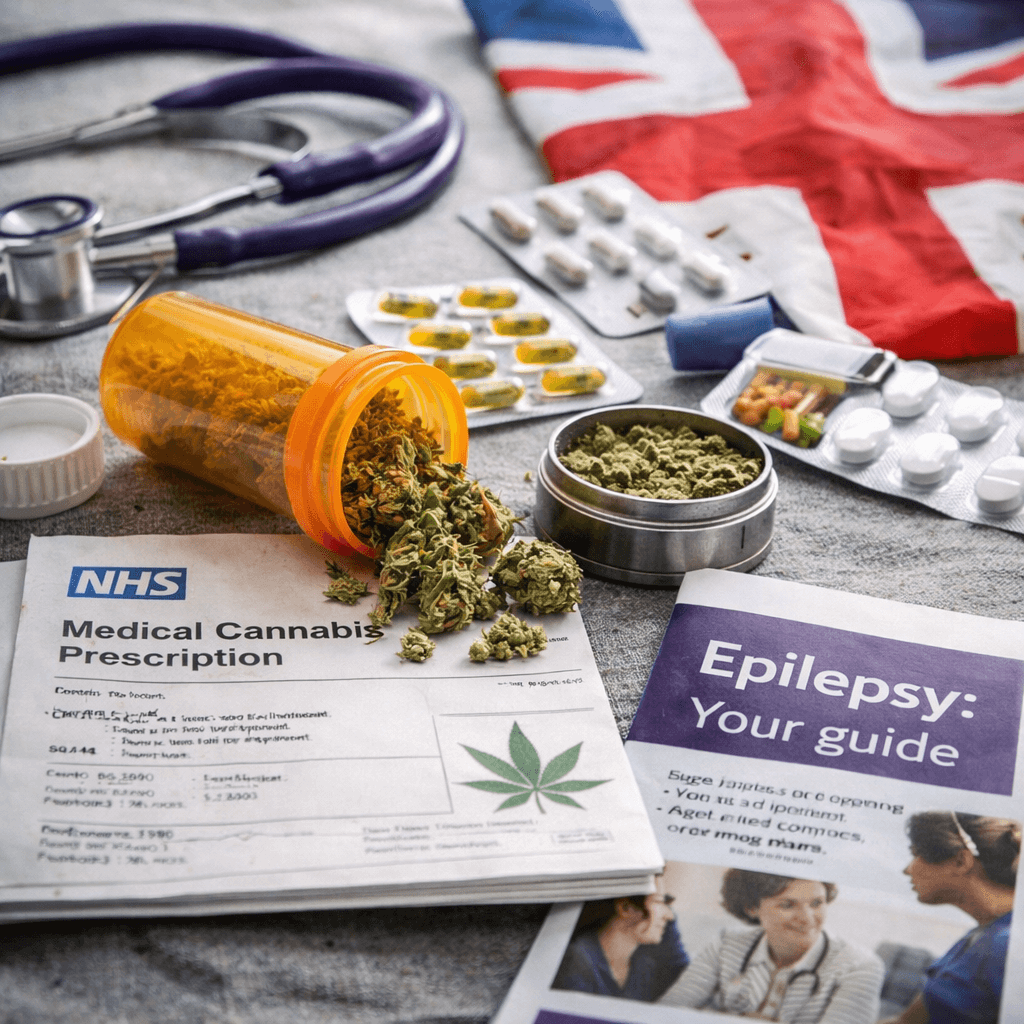
Medical cannabis for epilepsy UK is particularly strictly regulated. Only neurology within the NHS or licensed clinics are authorised to prescribe such medications. First, resistance to standard therapy is confirmed, then a benefit-risk analysis is performed, and only then is medical cannabis treatment considered.
Forms and dosage: oils, capsules, and other options
Patients may be prescribed oils, capsules, or inhalation solutions. The dosage is titrated gradually, from minimal to optimal, taking into account side effects and tolerance. Self-administration of medications is prohibited.
Risks and side effects of weed for epilepsy
Even medical medications can cause drowsiness, decreased concentration, mood swings, interactions with anticonvulsants, and stress on the liver. Unregulated products increase the risks, which you can learn about by searching for “epilepsy medical cannabis UK.” Specifically, unstable CBD/THC levels, increased seizure frequency, and worsening of general symptoms may occur.
Why self-medicating with weed can be dangerous
Using illegal products or attempting to substitute regular weed for a doctor’s prescriptions increases the risk of severe seizures. The composition of recreational products is unknown, making the combination of weed and epilepsy particularly dangerous.
Practical advice for patients and their families in the UK
Although cannabis and epilepsy are often used together, patients should exercise extreme caution. Keep a seizure diary, discuss any changes with a neurologist, maintain a sleep schedule, and avoid alcohol. Do not initiate therapy on your own or adjust the dosage without a doctor’s advice, as this may lead to unwanted side effects.