Why is weed illegal? Global history and UK perspective
The history of cannabis is both fascinating and complex, as a plant used for centuries as a raw material and medicine suddenly became the target of strict prohibitions. People often wonder why is marijuana illegal and whether practices are so uniform worldwide. Understanding why is cannabis illegal will be helped by a brief, understandable overview of how restrictions arose, the role politics and public sentiment played, and why the UK’s situation remains unique.
Is Weed Illegal today? What “Illegal” actually means
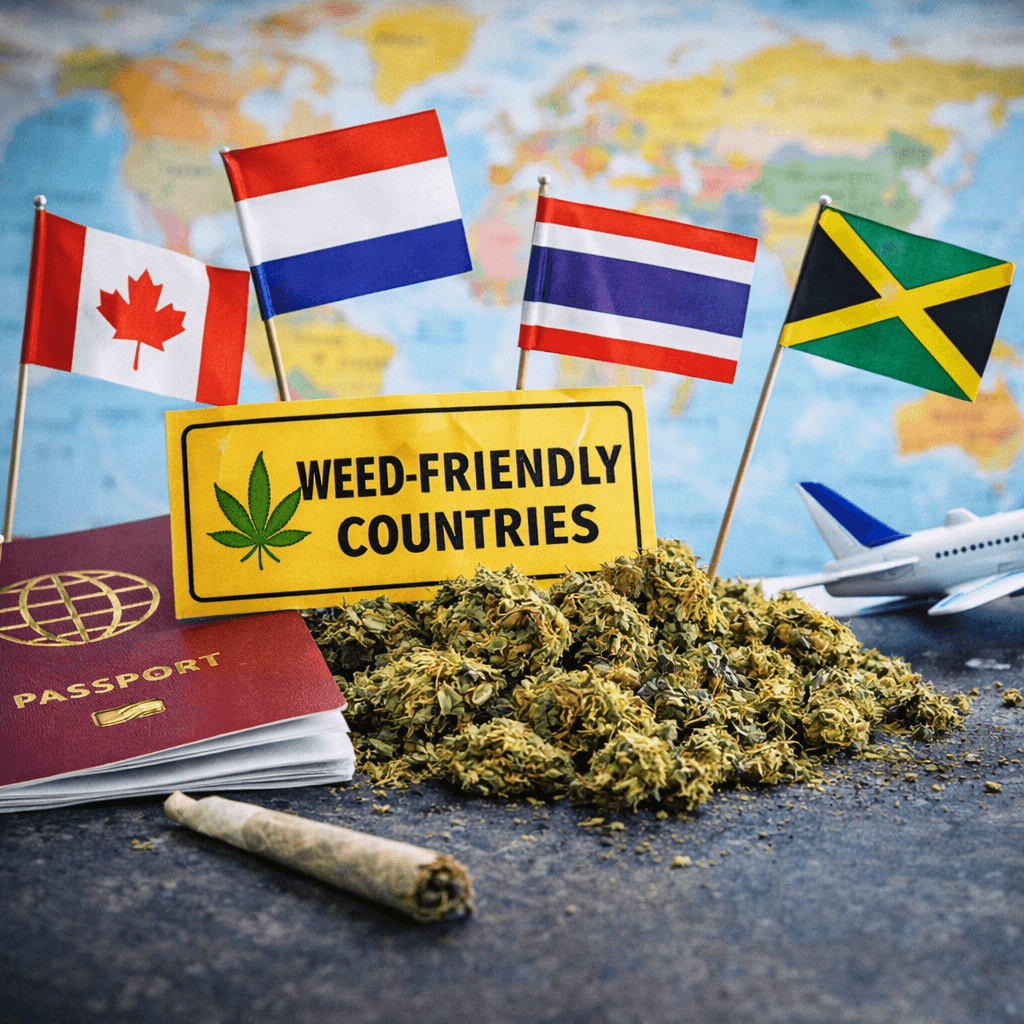
The status of cannabis varies from country to country. In some countries, “Is weed illegal?” is a rhetorical question, as there is a strict prohibition, while others have medical or partially decriminalized models. The terms “illegal” and “criminalisation” in legislation include fines, criminal charges, registration in databases, and restrictions on work and visas. For many, this is the answer to the question, why is weed illegal.
From ancient medicine to modern prohibition
For centuries, cannabis has been used to make fabrics, oils, and infusions. However, the 20th century changed the approach, and medical interest collided with growing political concerns. Thus, the preconditions why was cannabis made illegal emerged—from changing international treaties to shifting public sentiment.
Why was weed banned? Campaigns of the early 20th century
The beginning of the last century was marked by a tightening of measures, leading to decisions influenced by propaganda, public fears, and morality. This is how the answer to the question of why was weed made illegal was shaped. Prohibitions were strengthened against a backdrop of growing xenophobia. In particular, certain communities became the subject of special scrutiny, which increased stigma, racism, and social pressure.
Propaganda, racism, and moral panic around weed
The tabloid press actively promoted stereotypes, particularly associating cannabis with crime and moral decay. Policy leaders relied on emotion rather than facts, reinforcing propaganda, moral arguments, and control over vulnerable groups.
International treaties and the global war on drugs
The mid-20th century brought international agreements that solidified a common approach to substance control. Cannabis was lumped together with harder drugs, limiting efforts to research it or implement more flexible regulation.
When did cannabis become illegal? Key global milestones
The first strict restrictions appeared before the mid-20th century. Then came the conventions and the War on Drugs, which led many to renew their questioning, “When did cannabis become illegal?” and how well these measures reflect the realities of the situation.
Why is cannabis illegal in the UK today?
Cannabis is classified as a strictly controlled substance in the country. Therefore, questions about why is cannabis illegal UK and what consequences there are for violating these laws often arise. Control is established through strict substance categories, criminal risks, and a long tradition of government policy.
When did weed become illegal in the UK?
The first restrictions related to why is weed illegal in UK appeared in the last century.
Modern arguments for and against maintaining weed prohibition
Today, society is divided on this issue. Some support the existing strict measures, while others advocate for reform.
Reasons why governments maintain prohibition
Concerns for the health of young people, moral standards, market control, and the fight against human trafficking are important here. With such measures, the government maintains the stability of the current model.
Reasons why activists are calling for reform
Proponents of change believe that decriminalization, reducing the burden on the courts, improving regulation, and advancing science are compelling arguments. Activism plays a key role, seeking to change current policies toward transparency and safety.
Could weed become legal or decriminalised in the future?
Global trends show that policy on cannabis and cannabis-derived products, such as vapes, THC-flowers, and candy, is gradually changing, with medical programs and flexible control models emerging. Changes are possible in the UK, but they depend on new data, public debate, and political will. Furthermore, CBD-containing products are currently legal.